Click HERE to visit the Little Miracles website and sign up for our mailing list! We'll keep you informed of everything from product recalls to contest giveaways!
Showing posts with label food. Show all posts

Tuesday, June 14, 2011

The new "dirty dozen" list of produce

from Yahoo Green

fruit & vegetables in a supermarket

A new report published by the Environmental Working Group (EWG) might make you re-think that "apple a day" -- if it's conventionally grown using pesticides.

According to the group's annual"dirty dozen" list of fruits and vegetables with the highest pesticide residues, apples ranked number one as the most-contaminated item, up from number four last year.

Other changes from the 2010 findings: this year, cherries dropped off the list, and lettuce, previously absent, now appears at number 11. The EWG uses data compiled by the USDA to produce these findings.
Dirty Dozen 2011
  1. Apples
  2. Celery
  3. Strawberries
  4. Peaches
  5. Spinach
  6. Nectarines (imported)
  7. Grapes (imported)
  8. Sweet bell peppers
  9. Potatoes
  10. Blueberries (domestic)
  11. Lettuce
  12. Kale/collard greens
The "clean fifteen" are also included in the report - these are fruits and veggies with the lowest levels of pesticides so there's no need to waste your money on organic versions. Some popular items include watermelon and avocado.

The EWG points out that if consumers simply chose their daily recommended five servings of fruit and vegetables from the least contaminated list over five from the dirty dozen, they would reduce the amount of pesticides ingested by 92% - without having to shell out extra money for organics.

Clean Fifteen 2011
  1. Onions
  2. Sweet corn
  3. Pineapples
  4. Avocado
  5. Asparagus
  6. Sweet peas
  7. Mangoes
  8. Eggplants
  9. Cantaloupe (domestic)
  10. Kiwi
  11. Cabbage
  12. Watermelon
  13. Sweet potatoes
  14. Grapefruit
  15. Mushrooms
Pesticides on produce
Conventional farmers use an arsenal of pesticides to protect their crops from insects, bacteria, rodents, molds, and fungi. These substances can end up in the food supply. Washing and peeling fruit and vegetables can lower pesticide residues, but not necessarily. When the USDA tests for pesticides, they wash and peel fruit the same way a typical consumer would.

The National Institute of Environmental Health Services acknowledges that scientists do not have a full understanding of the health risks associated with exposure to agricultural pesticide residues through food, soil, water, or air. They also report that farmers who use pesticides experience an increase in neurological symptoms and that the harmful effects on children are greater than on adults.

Recent studies indicate that pregnant women should also be careful of their exposure to pesticides. Three studies published in 2011 in the Journal of Environmental Health Perspectives suggest pesticide exposure can harm the developing fetal brain.
Organic vs. conventional produce
Organic produce is grown without synthetic pesticides or fertilizers. However, organics can be harder to find and prohibitively expensive. If you are concerned about consuming pesticides, the EWG's dirty dozen and clean fifteen lists can help you make the safest and most affordable choices.

Tuesday, May 24, 2011

Catamount Glass Popcorn Popper

from Safe Mama

We wrote here before about microwave popcorn.  I know, I know… always the bearer of bad news. I’m settled in my role of letting you know things that cause you cancer.  I’ll gladly be the messenger that everyone wants to shoot. Anyway, as we wrote back in 2008 (wow time flies), microwave popcorn is many things besides delicious.  The liner of microwave popcorn bags are lined with a coating that is known to break down into a substance known as PFOA, or perfluorooctanoic. (Say it with me… greeeeeat.)  This was a blow for me.  I love my nightly popcorn ritual.


My friends at MightyNest have just announced their brand spanking new Kitchen Essentials section which provides the safest options for cooking and serving.  From aluminum free muffin pans to silicone spatulas, they have you covered.  Luck would have it that they now carrying a glass popcorn popper by Catamount.  It sounds pretty genius and no pesky carcinogenic chemicals screwing up your popcorn.  To use it you simply pour your kernels into the container, place your butter (if you like) in the silicone melting lid, and microwave for 2 minutes and 45 seconds. That’s it. Easy peasy.  What’s even cooler is that as the butter melts, it drips down through the lid and coats your popcorn for you, while its popping. I totally need this thing.  It’s made of borosilicate (laboratory glass) and is dishwasher safe.  How cool. And guess what? I’m giving one away to one lucky reader.  (You are lucky… even I don’t have one of these yet. )

Monday, May 23, 2011

The Potency of Potassium: Why Your Kids Need it and Where to Find it

from Super Healthy Kids

While many different food products and parenting magazines will stress the importance of well-balanced meals for your kids that include vitamins X, Y, and Z, one nutrient that often gets left out of the mix is potassium. While most healthy individuals have sufficient levels of potassium in their bodies, this can only occurs if an individual is regularly eating healthy foods. Potassium deficiency in children can lead to many diseases and conditions that are common to adults, like hypertension, heart disease, weight gain, and depression. A common symptom of potassium deficiency is fatigue. To keep potassium at the recommended levels here are a few foods that are delicious and kid friendly.

1. Bananasbananapops2

Bananas are one of the best and most well-known sources of potassium, and kids can’t seem to get enough of them! A great combination that children find particularly delightful is peanut butter and banana, but you can also slice it up and throw it in virtually anything—from cereal to smoothies, to even the occasional ice cream, turning a treat into something somewhat healthy.


2. Baked and Sweet Potatoessweet potato chips 2

Both baked potatoes and sweet potatoesare vegetables that kids in particular enjoy, and they are both loaded with potassium. Instead of feeding your children grease-laden French fries, try slicing both baked sweet and regular potatoes, salting them lightly, and serving with a healthy fresh salsa instead of ketchup.


3. Carrotscarrot fries

Although carrots were never my personal favorite when I was growing up, I did find them palatable when combined with a dipping sauce. While ranch dressing isn’t the healthiest thing, kids can’t stop with this one dressing, so think of ways to make it healthier. Some grocery stores stock a yogurt-based ranch dressing, with a fourth of the fat and calories. What’s more, yogurt happens to be a great source of potassium, too!


4. Vitamin supplements

Many doctors stress the fact that potassium levels should be adequate with a healthy diet, and a vitamin supplement should only be used to, well, supplement, real food. Some children, however, may have a specific deficiency in potassium for some reason or another, which may require additional supplements. The only way you can actually find out about this deficiency is to talk to your pediatrician, who can recommend certain blood tests to discovery any inadequacies in diet.
While the foods listed above are some popular sources of potassium, pretty much every healthy food item will have a certain amount. Again, the most important thing to keep potassium levels adequate is to make sure you vary your child’s balanced diet as much as possible, to keep eating fun and healthy! For more information about potassium rich foods, check out this resource.


Author Bio:
This guest post is contributed by Leslie Johnson, who writes about health, green living, parenting related articles at masters in health administration

Friday, April 1, 2011

FDA advisers want more study of food dye-ADHD link

from CNN

FDA advisers want more study of food dye-ADHD link

A Food and Drug Administration advisory committee decided Thursday there is insufficient evidence to support a link between artificial dyes in foods and children with ADHD.  The committee will make no recommendation to ban or regulate dye additives found in food products. But the committee did stress that there seems to be a trend with artificial dyes and side effects in children and that more research is needed.

Over the past two days the committee has heard testimony on dyes and how they cause some children to show signs of hyperactivity.  The question before the committee: Is there enough evidence to connect artificial dyes and hyperactivity and, if so, should it recommend that the FDA strengthen its regulations on these ingredients?  The committee's response seems to be  "Not now."

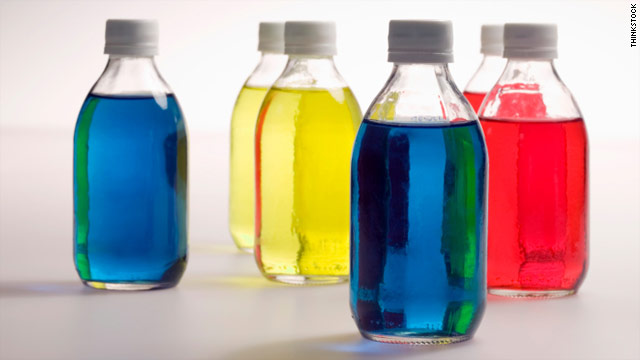
According to the experts who testified, European companies already are dropping dyes including Blue #1, Yellow #5 and #6 and others and substituting natural colorings  for them. But the United States still allows artificial dyes, mostly for aesthetic reasons, not for taste, the experts say.

There are eight dyes now being used in the United States; Citrus Red 2, Red 3, Red 40, Blue 1 & 2, Green 3 and Yellow 5 & 6. They can be found in numerous food products from packaged macaroni and cheese to Easter candy.

Critics had called for either a ban or more explicit labeling. “Why are these dyes in these foods anyway?” asked Michael Jacobsen, executive director of the Center for Science and the Public Interest, a watchdog group on nutrition and food safety. “I would push for having them taken out completely. But if that can’t be done, why not warn the public and parents that these dyes could have some effects?”

The idea that dyes in food causes ADHD was first noted in "Why Your Child is Hyperactive," a book written by Dr. Benjamin Feingold in 1975. The eating style described in the book became known as the Feingold Diet. He found if you eliminated artificial food dyes and additives in American diets, cases of hyperactivity in children, later defined as ADHD, would decline. But reviews of the data found that the correlation between dyes and hyperactivity were inconsistent.

Although numerous data have been collected on food dyes and hyperactivity in kids during the past decade, critics say the design of the studies has been weak. They note many of the studies were performed on small groups– many involved no more than 25 children. They also noted that much of the observation data (how the child acted) was reported by parents and not by clinicians. And they pointed out that most of the dyes tested were combined into a dye mixture and not tested individually.

The most recent studies to bring food dyes and ADHD back to the public eye was a 2007 project conducted by researchers at the University of Southampton in the United Kingdom. It showed that artificial food dyes along with sodium benzoate (a white crystalline salt used as a food preservative) increased ADHD symptoms in both hyperactive and non-hyperactive children. That study was followed up by another paper in 2010 by the same researchers who looked at the connection between food dyes, ADHD and histamine, a chemical that’s produced in the brain when the body is having an allergic reaction.

“We found mixtures of certain artificial colors together with sodium benzoate preservative in the diet increased the average level of hyperactivity in 3 and 8/9 year old children in the general population,” Dr. Jim Stevenson, a professor at the School of Psychology at the University of Southampton, and lead author of the study, testified Wednesday.

During the hearing, parents from all over the United States shared stories about their children with the committee. Renee Shutters, from Jamestown, New York, said her 5-year-old ,Trenton, who at the time was in preschool, was an unhappy child. “He just wasn’t comfortable with himself,” said Shutters. But after talking to another parent who said her child was having behavioral issues because he was allergic to a food dye, Shutters took action. “I went through my pantry and removed everything with dyes," declared Shutters.
“Now,” Shutters says, “Trenton is fine. After two days there was a huge change. Two weeks later he felt different, much happier and six weeks later, he was a new child.”

“To give my child an artificial dye would be child abuse!” exclaimed Maureen Lamm, a doctor and mother of three from Kennesaw, Georgia, a suburb of Atlanta. “He suffers that much when he eats foods with certain dyes.” Lamm has become so involved she offers a website, www.momsabcs.com, to parents to warn them about dye allergies.

But the FDA’s evaluation of studies on color additives and ADHD found there was very little strong evidence in any of these studies that showed dyes were the primary reason for a child’s hyperactivity.

“There were other factors in most of these studies that could have been the reason or could have gone hand in hand with the dyes to create these problems in these particular children, including preservatives,”said Jason August with the FDA’s Office of Food Additive Safety.

And the International Food Information Council, which is supported primarily by broad-based food, beverage and agricultural industries, says the science isn’t there.

“Without sufficient scientific evidence that a causal link truly exists between food colors and hyperactivity in children, communications that suggest a link could have unintended consequences, including unnecessarily frightening consumers about safe ingredients that are consumed every day,” said David Schmidt, president and CEO of IFIC.

After lengthy discussion the committee made its decision based on the FDA’s evaluation of study data, as well as testimony from researchers. It was the weakness of the studies, and the lack of data, that caused the committee to ask for more research and delay action on artificial dyes.

Although the committee only makes recommendations to the FDA, the agency usually follows those recommendations.

Thursday, March 10, 2011

Kraft Confesses: “We Use Genetically Engineered Bovine Growth Hormone”

from Friends Eat

kraft Kraft Confesses: We Use Genetically Engineered Bovine Growth Hormone

According to the Organic Consumers Association (OCA), a non-profit grassroots organization campaigning for health, and the exploration of crucial issues of food safety, industrial agriculture, and genetic engineering, Kraft has admitted to using milk from rBST and rBGH (recombinant bovine growth hormones) supplemented cow herds. Another food manufacturer that admits using GMOs is Kellogg’s.

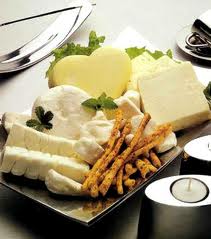
These genetically modified bovine growth hormones were developed by Monsanto and are now marketed by Eli Lilly. Recombinant bovine growth hormone has been a staple in the dairy products consumed by Americans for over a decade. But since these products are not labeled, consumers have no knowledge that the growth hormone is included and unidentified in milk, cheese, and yogurt.

cattle Kraft Confesses: We Use Genetically Engineered Bovine Growth Hormone


What is Artificial Growth Hormone
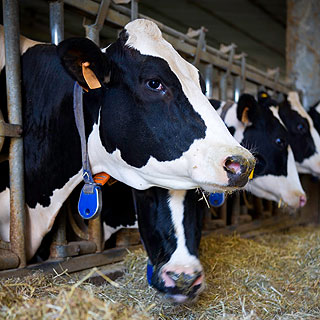
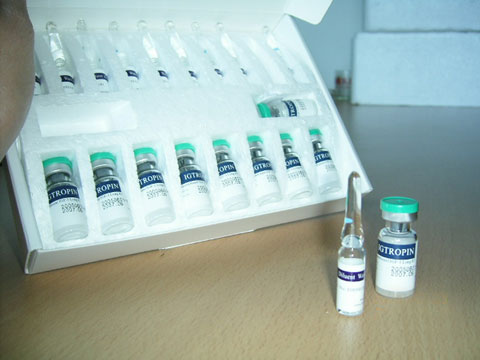
Bovine somatotropin or BST, and bovine growth hormone, or BGH, are hormones that naturally occur in cattle. Using recombinant (a cell or organism in which genetic recombination has occurred) DNA technology, the hormones have been synthesized to create artificial growth hormones rBST and rBGH. Both are a genetically engineered variations on the naturally occurring hormones in cattle.
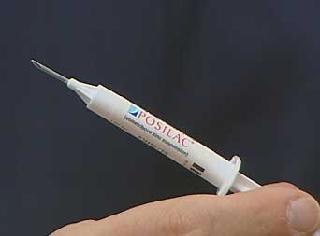
The artificial growth hormones are then injected into cows to increase milk production. Monsanto first developed the technology and marketed it as “Posilac”, which is now owned by Elanco Animal Health, a division of Eli Lilly.

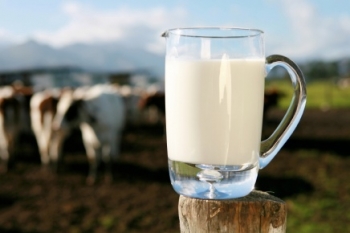
milk products Kraft Confesses: We Use Genetically Engineered Bovine Growth Hormone

All 27 countries of the European Union, Canada, New Zealand, and Australia have banned artificial growth hormone’s use in milk for human consumption. The U.S. and Brazil are the only two countries that allow its use.

In 1993, when the FDA wrote the labeling guidelines for rBGH/rBST, our Food Safety Czar Michael Taylor — former Monsanto Vice President for Public Policy — was in charge as Deputy Commissioner for Policy with the FDA.

Taylor crafted the FDA’s GMO friendly policy while serving as the FDA’s Deputy commissioner. It was Taylor who wrote the FDA’s guidelines on recombinant bovine growth hormone (rBGH), banning dairies from labeling their milk “rBGH Free“, despite opposition from scientists, farmers and consumers.
Monsanto initiated propaganda campaigns in 14 states to restrict dairies from labeling their products rBGH-free.

cows milk Kraft Confesses: We Use Genetically Engineered Bovine Growth Hormone


Health Hazards
The FDA’s claim that there is no compositional difference between milk from rbGH-treated and untreated cows was challenged by the Court of Appeals who said there is a“compositional difference” between milk from cows given growth hormones and those without, and cited three reasons why the milk differs:
1. Increased levels of the hormone IGF-1,
2. A period of milk with lower nutritional quality during each lactation, and
3. Increased somatic cell counts (i.e. more pus in the milk).

Bovine Growth Hormone Kraft Confesses: We Use Genetically Engineered Bovine Growth Hormone

As far back as 1996, the Cancer Prevention Coalition released a study that concluded milk from cows injected with recombinant Bovine Growth Hormone (rBGH) increases risks of breast and colon cancers in humans. This study was published in the International Journal of Health Services, a peer-reviewed, leading international public health journal.

“The study summarizes evidence that rBGH increases levels of insulin-like growth factor (IGF-1) in milk. IGF-1 is a powerful stimulator and regulator of cell-growth and division in humans and cows. The study concluded that increased IGF-1 levels are risk factors for breast and colon cancer.”

The author of the report, Samuel Epstein M.D., Professor of Environmental Medicine at the University of Illinois School of Public Health and then Chairman of the Cancer Prevention Coalition, said “The FDA and Monsanto have a lot to answer for. Given the cancer risks, and other health concerns, why is rBGH milk still on the market?”

The Cancer Prevention Coalition, a nationwide coalition of leading independent experts in cancer prevention and public health, also claims that IGF-1 is likely to increase the risk of specific kinds of cancer:

IGF 1 Kraft Confesses: We Use Genetically Engineered Bovine Growth Hormone

“It is highly likely that IGF-1 promotes transformation of normal breast cells to breast cancers. In addition, IGF-1 maintains the malignancy of human breast cancer cells, including their invasiveness and ability to spread to distant organs. (Increased levels of IGF-1 have similarly been associated with colon and prostate cancers.) The prenatal and infant breast is particularly susceptible to hormonal influences. Such imprinting by IGF-1 may increase future breast cancer risks, and may also increase the sensitivity of the breast to subsequent unrelated risks such as mammography and the carcinogenic and estrogen-like effects of pesticide residues in food, particularly in pre-menopausal women.”

According to Sustainable Table, a nonprofit organization designed to help consumers understand the problems with our food supply, before Monsanto’s artificial growth hormone was released, the FDA relied solely on a study done by Monsanto in which rBGH was tested for 90 days on 30 rats. The study was never published, and the FDA claimed the results showed no significant problems.

But a “review by the Canadian health agency on rBGH found the 90 day study showed a significant number of issues which should have triggered a full review by the FDA.”

Wednesday, March 2, 2011

Proposed school-lunch rules trade fries for veggies

Standards would be the first major nutritional overhaul of school meals in 15 years

from msnbc.com

WASHINGTON — School cafeterias would have to hold the fries — and serve kids more whole grains, fruits and vegetables — under the government's plans for the first major nutritional overhaul of students' meals in 15 years.

The Agriculture Department proposal announced Thursday applies to lunches subsidized by the federal government. The guidelines would require schools to cut sodium in those meals by more than half, use more whole grains and serve low-fat milk. They also would limit kids to only one cup of starchy vegetables a week, so schools couldn't offer french fries every day.

Agriculture Secretary Tom Vilsack said the new standards could affect more than 32 million children and are crucial because kids can consume as much as half of their daily calories in school.

"The United States is facing an obesity epidemic and the crisis of poor diets threatens the future of our children and our nation," Vilsack said Thursday.

While many schools are improving meals already, others are still serving children meals high in fat, salt and calories. The new guidelines are based on 2009 recommendations by the Institute of Medicine, the health arm of the National Academy of Sciences.

The announcement comes just a few weeks after President Barack Obama signed into law a child nutrition bill that will help schools pay for the healthier foods, which often are more expensive.

The subsidized meals that would fall under the guidelines proposed this week are served as free and low-cost meals to low-income children and long have been subject to government nutrition standards. The new law for the first time will extend nutrition standards to other foods sold in schools that aren't subsidized by the federal government, including "a la carte" foods on the lunch line and snacks in vending machines. Those standards, while expected to be similar, will be written separately.

The announcement is a proposal, and it could be several years before the rules require schools to make changes.

The new USDA guidelines would:
     — Establish the first calorie limits for school meals.
     — Gradually reduce the amount of sodium in the meals over 10 years, with the eventual goal of reducing sodium by more than half.
     — Ban most trans fats.
     — Require more servings of fruits and vegetables.
     — Require all milk served to be low fat or nonfat, and require all flavored milks to be nonfat.
     — Incrementally increase the amount of whole grains required, eventually requiring most grains to be whole grains.
     — Improve school breakfasts by requiring schools to serve a grain and a protein, instead of one or the other.

Vilsack said the reduction in sodium will be gradual so school children can get used to less salty foods. He said the government wants the meals to be appealing so children will eat them.

"We are looking at ways these meals can be attractive and also be tasty," he said.

Some school groups have criticized efforts to make meals healthier, saying it will be hard for already-stretched schools to pay for the new requirements. Some conservatives, including former Alaska Gov. Sarah Palin, have said that telling children what to eat is a case of government overreach.

Vilsack says he understands the new standards may pose some challenges for school districts, but he believes they are necessary. He compares obesity and related diseases like diabetes to a truck barreling toward a child, and the new guidelines to a parent teaching that child to look both ways before crossing the street.

"You want your kid to be able to walk across the street without getting hit," he says.

According to the USDA, about a third of children 6 to 19 years old are overweight or obese, and the number of obese children has tripled in the past few decades.

The Agriculture Department also is planning to release new dietary guidelines for the general public, possibly as soon as this month. Those guidelines, revised every five years, are similarly expected to encourage less sodium consumption and more grains, fruits and vegetables.

By Mary Clare Jalonick

updated 1/13/2011 1:50:30 PM ET

Thursday, February 17, 2011

Newly Identified Endocrine Disrupting Chemicals Leach into Food Packaging

from The Soft Landing

Post image for Newly Identified Endocrine Disrupting Chemicals Leach into Food Packaging

Emily Barrett of Environmental Health Perspectives recently provided a great synopsis of an updated review of food contact materials and their potential to leach endocrine disrupting chemicals (EDC’s) into our food.
Author of the review, Jane Muncke, didn’t mince words when issuing her findings, calling into question the current means of estimating the true level of exposure to EDC’s through food contact materials.  Her conclusions included the following major points:

  • Food packaging is an underestimated source of chemical food contamination
  • Migration into dry foods can be considerable
  • Substances of concern, like endocrine disrupting chemicals, are widely used in food contact materials
  • Risk assessment of endocrine disrupting chemical food contamination is challenging because exposure and effect assessment are not always straight forward

Muncke’s insights have caused me to carefully reconsider which food packaging I choose for my own growing children.  Based on her article, I’ll be investigating benzophenones (a known carcinogen) and organotins, two groups of suspected EDC’s, which are legally used in the US and EU.
And as Barrett pointed out, we now have even more motivation to choose fresh foods over processed ones.

The guidelines do not consider the collective numbers and toxicity – alone or in combination – of all of the chemicals that can leach from the packaging, the author points out.* In a chemical mix, individual health effects may be magnified. Printing, ink, adhesives, recycled cardboard and the plastic containers can all introduce unwanted chemicals into a single food product, creating a mix with additive or synergystic effects. What’s more, the chemicals may degrade over time or form new compounds that migrate into food. These can go entirely unmeasured since it is nearly impossible to identify and test for them all, suggests .
Kids may be at particular risk. Not only are their bodies still developing and hence susceptible to environmental insults, but they tend to eat more packaged foods, a more limited diet and more food for their body weight than adults do. There are similar concerns for pregnant women and their fetuses, as well as obese adults, whose bodies may process these chemicals differently from their trimmer counterparts.

Tips for Reducing Your Exposure to EDC’s in Food Packaging


  1. Avoid PVC in plastic food wrap:  ask your butcher to prepare the cuts of meat you want and wrap it in paper.  Most butcher or freezer paper is coated with wax or polyethylene which are better alternatives. As for blocks of cheese, look for packages with Ziplok style closures, and plastic packages that have been heat-sealed, because most of these bags are made from polyethylene.
  2. Buy fresh or frozen produce packaged in polyethylene bags:  BPA is found in most epoxy linings of aluminum cans, glass jar lids and the bottom of some frozen cardboard boxes – although there a few BPA-free options available
  3. Choose jarred foods when possible – especially those with space between the lid and the food
  4. If you do choose to purchase foods packaged in plastic, do not reuse, cook or heat food in them – even if recommended by the manufacturer; this may include some microwavable meals, so just remove them from the plastic container and heat in glass
  5. Look for non-recycled cardboard boxes when ordering takeout meals like pizza, as they are less likely to contain BPA.
  6. Bring your own reusable coffee cups and to-go containers for leftovers and skip Styrofoam altogether


Read the complete research study: Endocrine disrupting chemicals and other substances of concern in food contact materials: An updated review of exposure, effect and risk assessment in the Journal of Steroid Biochemistry and Molecular Biology.

Monday, November 1, 2010

A Rude Reminder of Junk in Food

from Feed Our Families blog

I don't know where to start. I'm so upset. You know how you watch your child and you know something isn't right but you can't really know what it is?

That was us Friday afternoon. My son was a little out of sorts after school but nothing terribly unusual since he's usually ready for some rest and a snack when he gets home. School is tiring and he reminds us often.
As dinner time approached things weren't so usual. But unfortunately, familiar. I didn't recognize the behaviors at first but they quickly ramped up to the point where reality slapped my cheek. Oh yes, I remember this. Thus the questioning begins: what did you eat today that we didn't give you?

Artificial food coloring. High fructose corn syrup. And it was literally drops of each. Proof that the chemical reaction that occurs in his body doesn't take much quantity.

I won't share details because I believe it was an honest mistake that won't happen again.
What I will share with you is the terrible night we had where my son couldn't control his body. He couldn't make eye contact with me for more than three seconds. He mentally couldn't process simple things like he typically can. After about two hours of increasing frustrations and challenges for all of us, we put him to bed early and wished for the best in the morning.

I'll also share with you my emotions through this as I went from frustration with him for "not listening" (repeatedly) to feeling furious that this happened to begin with. We've worked so hard, we thought, to make sure that everyone around him knew what he couldn't have. But maybe it wasn't enough. Clearly, it wasn't enough.

Then, my heart broke.

My son finds it comforting to be rolled up tightly in a blanket, sort of like a burrito. Until we found his food sensitivities, we did this often because we faced similar situations often, but I don't think we've rolled him up in many months. He usually lays there, totally relaxed, while we talk, read or listen to music.

Not tonight. He couldn't lay still. Couldn't relax. Couldn't look at me. His little body just kept moving, not within his control, while he stared at his closet door. He told me it was more relaxing to look at the white closet door because my face was too busy. As I stroked his head, I prayed that he would fall asleep peacefully and wake feeling better.

I can't begin to imagine what he felt like but I know that I don't want to see him feel that way again. As long as the food manufacturers, candy makers and beverage providers continue to use artificial ingredients, children will be exposed and at risk. I wish they would do away with these ingredients, like they have in other countries. Our children, my child, deserves better food.

A friend who has a child with similar food issues helped me see the positive in this: the reminder that all of our hard work cooking real food, scrutinizing labels, and teaching our children about healthy foods, is worth it. They are totally worth it.


If you're new to Feed Our Families and want to learn more about high fructose corn syrup, here's the link to Our Experience with High Fructose Corn Syrup and an overview on Discovering Food Issues. I encourage you to share this with friends and family so that together, we can protect our children from the impact of artificial and potentially harmful ingredients.

My wonderful son
My special guy that I'd do anything for

Wednesday, September 29, 2010

5 Power Foods All Kids Need

from Parents

Calcium

There's no doubt that most kids get more than enough to eat (climbing rates of childhood obesity are proof of that). The problem is, a lot of the stuff they're eating every day -- like overprocessed and fast food -- is calorie dense but nutritionally skimpy. According to the latest research, young children are now falling short on five important nutrients. Find out which ones they need most, plus easy ways you can fit them in.


1. Calcium
About one-third of kids ages 4 to 8 aren't getting enough calcium, according to the latest government statistics. Too much juice -- and too little milk -- may be partly to blame. Calcium is vital for developing bone mass, nearly all of which is built during childhood and adolescence. Being deficient can interfere with growth now and increase the risk of osteoporosis later in life -- especially for girls. It's crucial to get your child into the habit of eating calcium-rich foods now since older kids are notoriously lax (nine out of 10 teen girls don't get enough). Many high-calcium foods are also rich in vitamin D, which not only strengthens bones but may help prevent type 1 diabetes and other diseases.


Top Tips
* If your baby has a hard time transitioning from breast milk or formula to cow's milk at age 1, keep trying as he gets older. "Parents often give up too quickly when their children reject it," says Parents advisor Jennifer Shu, MD, author of Food Fights: Winning the Nutritional Challenges of Parenthood Armed with Insight, Humor, and a Bottle of Ketchup. Adding a small squirt of flavoring can help, but be sure to serve plenty of yogurt (even richer in calcium than milk!) and other calcium-fortified products in the meantime.
* Tofu made with calcium (check labels) is nearly flavorless, so it's easy to add to dishes like lasagna, quiche, stir-fries, and even smoothies, suggests Bridget Swinney, RD, author ofHealthy Food for Healthy Kids.


Best Sources
* cheese
* yogurt
* milk
* fortified foods like cereals
* waffles
* juice
* soy milk

2. Vitamin E
A whopping 80 percent of kids under the age of 8 -- including two-thirds of preschoolers -- are missing their daily vitamin E needs, according to studies from the University of Nebraska-Lincoln. A surprising culprit: fat-free and low-fat foods, which tend to be low in E, a vitamin that acts as an antioxidant, protecting cells from damage. It's smart to serve low-fat products like milk and yogurt because they're lower in saturated fat, but going fat-free isn't best for things like salad dressing, which contains heart-healthy oils that are rich in vitamin E, says Parents advisor Connie Diekman, RD, director of university nutrition at Washington University, in St. Louis.


Top Tips
* Many cereals are fortified with vitamin E, but check the Nutrition Facts Panel to be sure. Keep in mind that cereals labeled "natural" won't have added vitamins and minerals.
* Some parents avoid peanut butter for fear of nut allergies, but the latest guidelines from the American Academy of Pediatrics say there's no evidence that holding off on peanut butter prevents allergies. (Just be sure to spread a thin layer so it doesn't become a choking hazard for younger children.) For kids who are allergic, try swapping in 2 tablespoons of sunflower-seed butter instead of PB. It will deliver about half their daily E needs.
* Choose reduced-fat salad dressing (or full-fat as long as you watch your portion sizes) made with oils like canola, corn, or olive. Or make your own dressing using these healthy oils. Sprinkle some sunflower seeds or toasted almond slivers on top of salads as well as steamed veggies.


Best Sources
* avocado
* nuts
* peanut butter
* sunflower seeds
* plant oils
* tomato sauce
* wheat germ
* spinach

3. Fiber
It's not even digested, but fiber is still important for children because it keeps them regular and fills them up. In addition, eating a fiber-rich diet may help protect them from a variety of chronic diseases later in life. Although the official recommendation is for kids to get 19 to 25 grams of fiber a day (nearly as much as an adult needs), a more realistic goal is to follow the "rule of five": Add five to your child's age in order to get her minimum daily grams. For example, a 4-year-old should get at least 9 grams of fiber a day -- that's the amount in two slices of whole-grain bread, a half cup of strawberries, and a half cup of brown rice.


Top Tips
* "Breakfast cereal is usually the number-one way for children to get a big dose of fiber," says Sarah Krieger, RD, a spokesperson for the American Dietetic Association. Look for cereals that have at least 5 grams per serving. Mix some in with your child's favorite cereal to smooth the transition -- and put some sliced fruit on top.
* It's ideal to have at least one high-fiber food at every meal and snack, says Swinney. One kid-friendly idea: whole-grain pita triangles with hummus (2 tablespoons of hummus has as much fiber as a half cup of brown rice).


Best Sources
* fruits (raspberries, blackberries, pears, oranges, and apples are some of the best)
* high-fiber cereal
* beans
* lentils
* chickpeas
* whole-grain bread and pasta
* oatmeal
* popcorn
* nuts
* ground flaxseed
* sweet potatoes
* green peas

4. Potassium
Children are getting less than 60 percent of the recommended dose of potassium- -- in part because many of them don't have enough fruit and vegetables in their diet. Potassium is a key player in maintaining healthy fluid balance and blood pressure and helping muscles to contract.


Top Tips
* Cook up some easy sweet-potato fries: Slice sweet potatoes into discs or sticks, toss with olive oil, and bake on a sheet until they're brown and crispy.
* Pistachios have the highest potassium content of all nuts. For kids ages 4 and up with no nut allergies, make trail mix by tossing some (unshelled) into a baggie with dried apricots.


Best Sources
* bananas
* oranges and orange juice
* white and sweet potatoes
* yogurt
* milk
* cantaloupe
* honeydew
* dried apricots
* tomatoes, tomato sauce
* fish such as halibut and cod

5. Potassium
Children are getting less than 60 percent of the recommended dose of potassium- -- in part because many of them don't have enough fruit and vegetables in their diet. Potassium is a key player in maintaining healthy fluid balance and blood pressure and helping muscles to contract.


Top Tips
* Cook up some easy sweet-potato fries: Slice sweet potatoes into discs or sticks, toss with olive oil, and bake on a sheet until they're brown and crispy.
* Pistachios have the highest potassium content of all nuts. For kids ages 4 and up with no nut allergies, make trail mix by tossing some (unshelled) into a baggie with dried apricots.


Best Sources
* bananas
* oranges and orange juice
* white and sweet potatoes
* yogurt
* milk
* cantaloupe
* honeydew
* dried apricots
* tomatoes, tomato sauce
* fish such as halibut and cod

Thursday, September 9, 2010

Cooking with Herbs for Health

from Hip Moms Go Green


We all use herbs in our cooking to enhance flavor, but did you know that herbs are a great source for antioxidants? Antioxidants have been shown protect against stroke, heart disease, and cancer. Many herbs also have antibacterial and antiviral effects which can help protect against contagious illnesses. Another benefit of adding herbs to your diet is that they can be used to cut your family’s sodium intake due to their strong flavors.

Here’s a short list of some of the super stars of the herb family that you should start adding to your family’s diet:


1. Topping the list of beneficial herbs is oregano, which has an antioxidant capacity up to 20 times that of any other herb and way higher than most fruits and vegetables. Incorporating one tablespoon a day into your diet can increase your intake of vitamins and antioxidants as well as fight E. coli and Salmonella. Add to pasta sauce, egg dishes, and soups. Our Greek Chicken recipe is loaded with oregano!
 
2. Dill: shockingly high in calcium! Add to your tuna salad, on salmon, in dip, in eggs.
 
3. Sage: has antioxidant and anti-inflammatory benefits—one study also found that sage can improve memory. Add to poultry dishes, soups, and bean dishes.
 
4. Rosemary: stimulates immune system, may help people with asthma and/or arthritis due to its anti-inflammatory properties. Add to meats, poultry, potatoes, and soups.
 
5. Peppermint: anti-fungal, anti-bacterial, anti-oxidant; aids in curing upset stomach due to its ability to relax smooth muscles. Add to cut watermelon for a refreshing salad, make tea (great for expecting hipmoms!)
 
6. Basil: contains flavanoids which have been shown to provide cancer protection and fight atherosclerosis and bacterial infections. Add fresh leaves to salads, pasta sauces, and egg dishes, pretty much anything with tomato, make Hipmoms’ pesto recipe (also has the superfood broccoli in it!).

This list is just a jumping off point for you and your family. Herbs are delicious and easy to grow in your kitchen window. (I keep a basil plant growing by the sink.) Just snip off some fresh leaves and toss them in your food. What could be easier than that? Experiment with flavors; just remember when using fresh herbs you’re going to have to use 2 to 3 times as much as if they’re dried since dried herbs are much more intense.

Tuesday, August 31, 2010

Strawberr-Wee Fruit Leather

from weelicious

A yummy homemade snack for little ones!


If you follow weelicious on Twitter or Facebook, you may have read about my recent fruit leather obsession. My kids love fruit roll-ups and while there are some great brands out there made with just fruit, I know can save a ton of dough making it myself. While I haven’t spent a lot of money trying to figure it out, I have spent a lot of time! As of today, I’ve made 15 (yes, fifteen!!!!) batches of strawberry leather in an effort to perfect the recipe. It’s been a frustrating challenge to say the least, especially when making fruit leather seems so easy in principal. It’s just fruit and heat, right? Yes and no.

Here’s a breakdown of my results:
Batches 1-4: I used juicy strawberries from the farmer’s market, baked them for three hours and the batch turned out perfect and chewy with a deep red color. I couldn’t believe how easy it was and was very busy congratulating myself afterwards. Kenya actually found one of the batches that I hid in the closet to save for his school lunch and ate the entire thing! At least I know he got his vitamin C for the day — I mean, week!

Batches 5-8: So much for being proud of myself. These attempts were total disasters. This time I used organic strawberries from the grocery that were much bigger and less juicy than the ones I bought from the farmer’s market. Sadly, each of these batches burned when I cooked them at different times right around three hours. I was left totally frustrated.

Batches 9-12: Back to perfection using berries from the farmer’s market. I kept the cooking time at three hours for each batch and I finally realized the juicier the berries, the longer they take to cook. You really have to judge the berry you are using before setting your cooking time.

Batches 13 & 14: Back to the organic grocery store berries, but this time I wised up and only baked them for only two hours, which produced one batch that burned a bit on the edges (because I didn’t spread it out totally even) but another turning out perfect.

Knowing that people will have varying results, I asked friends and a bunch of weelicious readers to give the recipe a try. Everyone’s outcomes were slightly different. Here’s what I’ve determined: you have to experiment for yourself with this recipe. Everyone’s berries and ovens are different, so there isn’t one definitive cooking time. My best advice is to spread the mixture as evenly as possible on the baking sheet and keep a close eye on the fruit while it’s cooking. Be prepared for a bit a trial and error and don’t lose your cool. Hopefully when you find your ideal cooking time, you’ll be knocking out batches of your own fruit leather with ease.

Strawberr-Wee Fruit Leather (Makes 8 Long Strips)
3 Cups Strawberries
1 Tbsp Honey
1. Preheat oven to 250 degrees.
2. Remove the stems from the strawberries and rinse.
3. Place the strawberries and honey in a blender and puree until smooth.
4. Pour the mixture on to a parchment paper lined baking sheet and spread with the back of a spoon or spatula in a large rectangle (my rectangle was 11 x 15 inches) making sure that the mixture is completely even.
5. Bake for 2-3 hours (or until it’s dry and not sticky to the touch). Remember, cooking times will vary depending on how thick you spread your mixture and how much water (juice) is naturally in the fruit. *Every oven is different, so the cooking time maybe less then 2 hours if your oven tends to be hot.
6. Allow to sit and cool at room temperature. It takes several hours for the fruit to soften up (when you first take the leather out of the oven the edges will be a bit dry and crispy, but if you allow it to sit overnight it softens up nicely).
7. Cut with a knife or pizza cutter into strips or use scissors, keeping the paper on, and then roll the leather into “roll ups”.
8. Serve.

Monday, August 9, 2010

Pesticides and ADHD


 By Dr. Austin Abramson

Pesticides are chemical substances used to prevent crop destruction by insects. They have positive effects by decreasing crop losses and increased food per acre farmed. However, they may come with a steep cost to your health. Pesticides are powerful substances that are absorbed or ingested and may cause potential harm especially to infants and children, who eat more fruits and vegetables than adults relative to their body weight and who are still developing.

Additionally children play more on the ground where they have the greater potential to come in contact with pesticide residues. Children also may place contaminated hands and objects in their mouths.
Fruits and vegetables contribute essential nutrients, including fiber to the diet. However, it is very important that parents understand that certain fruits and vegetables named the “Dirty Dozen” may have a greater risk of pesticide contamination than other varieties due to the nature of the plant and how they are grown. This list includes:

•Celery
•Peaches
•Strawberries
•Apples
•Blueberries
•Nectarines
•Sweet Bell Peppers
•Spinach
•Cherries
•Potatoes
•Grapes
•Lettuce


A recent study from Harvard in the journal of Pediatrics1 examined the association between ADHD and urine metabolites of organophosphates. Organophosphates are a common pesticide spayed on fruits and vegetables. The conclusion of the article was that children with higher levels of organophosphate metabolites in the urine were more likely to be diagnosed with ADHD.since high levels of organophosphates are purported to disrupt brain neurotransmitters More research is needed to study the effects of diet on conditions such as ADHD.

The obvious and simple solution is to avoid pesticides and all chemical agents in the food supply wherever possible. Washing fruits and vegetables may not always be sufficient. Therefore, organic foods, including fruits and vegetables that are made without the use of these pesticides may be one way to help protect our families.

Monday, July 26, 2010

Fruity Veggie Popsicle Recipe for Summer Babies

from Green Baby Guide

Joy’s popsicle post provided me with a burst of inspiration: Could I sneak vegetables into my daughter’s diet by disguising them in a tasty frozen treat?  The answer is yes.  Here’s my groundbreaking recipe:


Strawberry Spinach Popsicles
Pint of very ripe strawberries (overripe is okay)
2-3 cups of carefully washed spinach leaves
1 TBS honey (or more, to taste)
Place the strawberries in the blender and fill the remainder of the blender with spinach leaves.  Add honey and puree until smooth.  Pour into popsicle molds.  (Yields 2 cups liquid)

I invented this recipe and gave the strange-looking brown popsicle to my daughter.  She took one lick and said, “Yum, yum!”  Then she ate the whole thing, making quite a mess in the process.  Of course I sampled this brown concoction myself.  It really does not taste of spinach at all-it’s just pleasantly strawberry-flavored.

Now, I know that disguising vegetables in other foods is controversial.  When Jessica Seinfeld’s book Deceptively Delicious came out, I read reviews from critics who claimed that lying to children about what they were eating would result in bitterness and mistrust in their parents as they grew older and wiser.  This seems a little far-fetched to me.  Besides, I did not lie to Audrey; I just handed her a popsicle and she ate it.  I hope she grows to love normally-prepared vegetables very soon, but in the meantime, I’m glad I found a way to sneak some greens into her summer confections.

Wednesday, July 14, 2010

15 Pregnancy Power Foods

from Parents

Broccoli


Broccoli
It's not only packed with nutrients that are necessary for a healthy pregnancy -- such as calcium and folate -- but broccoli is also rich in fiber and disease-fighting antioxidants. And since it contains plenty of vitamin C, this popular green vegetable will help your body absorb iron when it's eaten with an iron-rich food, such as whole wheat pasta or brown rice.

Fortified Breakfast Cereal
You knew folate was important before conception and during your first few weeks of pregnancy, but your needs for the B vitamin stay high the whole nine months. Experts advise getting 400 micrograms per day through vitamin supplements or fortified foods (breakfast cereal is an easy way to do it, since many brands contain 400 micrograms per bowl), and another 200 micrograms through foods that are naturally high in folate, such as asparagus and black-eyed peas.

Lentil Salad


Dried Beans & Lentils
All women need 10 extra grams of protein a day during pregnancy (for a total of at least 60 grams); beans and lentils are an excellent source, with about 15 grams per cup. They're also high in fiber, which helps to combat constipation. And 1 cup of cooked lentils meets half of your daily folate requirement. "Add them to rice dishes and salads," suggests Lola O'Rourke, RD, spokesperson for the American Dietetic Association.
Try our easy-to-make Lentil Salad.
Find the recipe here

Nonfat Milk
Your body absorbs roughly twice as much calcium from foods while you're pregnant, so your daily needs remain the same. But since most of us get too little calcium to begin with, drinking more nonfat milk is a smart move. Each 8-ounce glass supplies about 30 percent of the recommended dietary allowance of 1,000 milligrams.

Bananas
Bananas are rich in potassium and offer quick energy to fight off pregnancy fatigue. "They're also easy on your stomach if you're nauseated," says O'Rourke. Slice them up into cereal or whip one into a breakfast smoothie with yogurt, berries, ice, and a splash of orange juice.

Lean Meat
Your daily iron needs double during pregnancy, so it's important to include plenty of iron-rich foods now. "If you don't have good iron stores, you're more likely to feel tired," warns Jo Ann Hattner, RD, a dietitian in Palo Alto, California. Meat delivers a form of iron that's easily absorbed by your body.

Cheese
Soft cheeses are off-limits, but varieties such as cheddar and mozzarella can be a big help in meeting your calcium requirements -- each ounce contains between 150 and 200 milligrams. Cheese is also high in protein.

Mushroom & Broccoli Omelet


Eggs
Many women develop aversions to meat while pregnant. Eggs are an excellent alternative protein source, since they contain all the essential amino acids your body needs, says Hattner. There's nothing better for a quick dinner than an omelet with lots of chopped vegetables and a bit of cheese. If cooking aromas make you feel sick, hard-boil a batch of eggs to keep on hand in the refrigerator: Eat them whole for grab-and-go breakfasts and snacks, or chop them up into green salads.
Whip up our simple Mushroom & Broccoli Omelet.
Find the recipe here

Oatmeal
It's easy to get your day off to an energizing start by trading in your usual morning bagel or muffin for a bowl of oatmeal a few times a week. Why? Complex carbohydrates like oatmeal keep you satisfied longer, and the oat bran it contains can help lower your cholesterol levels. Instead of buying high-sugar flavored oatmeal, cook up the plain kind and swirl in a teaspoon or two of maple syrup or jelly.

Leafy Greens
Cooked spinach has high levels of folate and iron, and kale and turnip greens are both good calcium sources. Increase the nutrient value of your salads by passing up traditional iceberg in favor of darker-colored lettuces (the deep colors signal higher vitamin content). You can also add greens to a sandwich or stir them into soups and pasta dishes.

Whole-Grain Bread
By swapping your traditional white bread for a whole-grain variety, you can make sure you're consuming the recommended 20 to 35 daily grams of fiber (scan labels to find a loaf that offers at least 2 grams of fiber per slice). Whole-grain bread also supplies you with a good share of your iron and zinc.

Oranges
They're packed with vitamin C, folate, and fiber, and since they're nearly 90 percent water, they'll also help you meet your daily fluid needs (skimping on your fluid intake can leave you feeling fatigued).

Nuts & Nut Butters
Fat is critical for your baby's brain development and it also helps keep you fuller longer. Experts recommend replacing some saturated fats (such as those found in meat and butter) with unsaturated, a form of heart-healthy fat found in nuts. But because they are high in fat and calories, stick to 1-ounce servings of nuts and 2-tablespoon servings of nut butters. There is one caveat, however. If you have any sort of allergy, experts recommend that you avoid highly allergenic foods, such as peanuts, during your pregnancy; some data suggests that babies can be sensitized to certain foods in utero, raising their risk of food allergies later on in childhood.

Tofu


Soy Foods
It's perfectly safe to follow your vegetarian eating plan while you're pregnant -- as long as you're diligent about getting necessary nutrients such as protein (your doctor or a dietitian can help you devise a healthy plan). So be sure to include foods like tofu, which packs 10 grams of protein per half cup.

Dried Fruit
It's a tasty, portable snack that's especially helpful when you're craving something sweet. Choose dried fruits such as apricots, cherries, and cranberries (which can also help to prevent urinary tract infections), but stay away from dried bananas, since they're processed in oil and loaded with fat.

Monday, June 28, 2010

Pregnancy Healthy Meal Planner

from She Knows Pregnancy and Baby

One of the most important things you can do while pregnant is eat healthy meals and snacks. Your diet directly affects your baby’s health and growth while he’s in your belly and your diet choices during pregnancy affect your baby’s health even after he’s born. With this in mind, along with the fact that March is National Nutrition Month, let’s take a look at a sample healthy meal planner for pregnancy.

healthy meal planner for pregnancy


Before you start planning your meals….
1) Take a look at healthy eating tips for pregnancy and beyond.
2) Discuss your meal plans with your midwife or doctor.
3) Find out which specific nutrients and calories you should be eating according to your ideal food pyramid and BMI.

The ADA notes that a well-balanced diet for pregnant women includes…
  • Whole grains: Breads, cereals, pastas and brown rice.
  • Whole fruits: Apples, pears, peaches, nectarines and melon. Since acid can cause heartburn, you may want to be cautious with the amount of acidic fruit you eat, like oranges, pineapples, lemons and limes.
  • Vegetables: Leafy greens, bell peppers, eggplant, squash and mushrooms.
  • Lean protein from both plant-based and animal-based sources: Try tofu, nuts, seeds, lentils, beans, red meat, chicken, turkey, fish and pork.
  • Low-fat dairy: Milk, cheese and yogurt.
  • Healthful fats: Extra-virgin olive oil, walnuts, almonds and avocados.
Keep in mind that most women who are pregnant need only about 300 extra calories a day. You’re eating for one + another wee person, not truly eating for two. If you’re pregnant with multiples or overweight or underweight to begin with you may need more or fewer calories which is why discussing your meal plan with your actual health care provider is important.

With all the above in mind, following is a good sample meal plan for pregnancy… note; each lunch and dinner below should include 1 cup low-fat milk. IF you hate milk (like I do) try adding some fat-free chocolate milk mix. Also see how to get calcium if you’re lactose intolerant.

BREAKFAST
  • Choose one – An English muffin with tbs peanut butter; whole wheat toast with whole fruit jam; bowl of whole grain cereal.
  • Have one cup of low-fat fruit flavored yogurt or a glass of 1% or 2% milk.
  • Add 1/2 cup of fresh fruit like grapes or strawberries and 1 cup of orange juice.
  • I always have coffee in the morning – but during pregnancy you should have water or decaf tea or decaf coffee instead.


MID MORNING SNACK
Choose one of the following snacks…
  • One cup cranberry juice and an oz of pretzels or whole grain crackers.
  • Apple slices paired with small slices of cheddar cheese or dipped in a small cup of creamy peanut butter.
  • Sliced veggies, crackers and hummus dip. I like roasted red pepper hummus
  • Organic yogurt and some crackers.
  • A fresh fruit smoothie.


LUNCH -

  • One whole chicken salad sandwich (made with low-fat mayo, and red bell peppers, on whole wheat bread); six carrot sticks.
  • Tuna sandwich with light mayo, pickles, and chopped hard boiled eggs on whole grain bread. One cup of tomato juice and some vegetable sticks or slices.
  • Scrambled eggs with veggies (bell peppers, onions, broccoli, etc) and a dash of low-fat cheese. One whole grain English muffin and sliced fruit.


DINNER

  • 4 ox lean turkey burger with tomatoes and lettuce on a whole wheat bun OR 4 oz turkey breast skinless and add 2 slices of Italian bread (with 2 tsp butter) to your meal. 1 cup rice; 1 1/2 cup salad (spinach and romaine lettuce, onions, tomatoes, carrots, mushrooms); 3/4 cup summer squash. If this is too much food for one meal you can switch some items to an afternoon snack or lunch.
  • Make veggie burritos — extra heavy on the salsa, bell peppers, carrots, mushrooms, and tomatoes. Add some brown rice and low-fat cheese along with some fresh fruit slices and you’ve got a great meal.
  • Create a salad meal – Adding extras like cold sweet peas, oranges, raspberries, or cut fresh green beans can power up your typical lettuce and carrots. Also lean sliced chicken or a tiny handful of nuts are good for protein. On the side have a small bowl of vegetable based soup or whole grain bread.
  • Spaghetti and lean turkey meatballs with tomato sauce plus a small tossed salad, one small slice of whole grain bread with garlic butter and 1/4 cantaloupe or other melon.


EVENING SNACK
  • 1 cup low-fat chocolate milk and 3 oatmeal cookies.
  • Gingersnaps and a cup of juice.
  • Choose one guilt-free pregnancy treat.
  • OR any of the snacks seen above in the mid morning snack section.


THROUGHOUT THE DAY
You also need to drink plenty of water during the day. Make sure you’re getting enough.

Friday, June 18, 2010

Healthy Food Blogs Worth Drooling Over

from Mindful Momma

Nothing gets my mouth watering more than a plate full of healthy food.  Maybe it's age, but I'm more likely to load up on a healthy meal and pass on dessert these days.  It's not that I don't love me a good fattening dessert because believe me, I do.  But serious cravings for things like sauteed greens, roasted beets and brown rice send me into a cooking frenzy.  Has this happened to you too?
A lot of my cooking inspiration comes from food blogs.  Most of the time, I'm not even looking for a recipe, but I check out the blogs for ideas, inspiration and new food combos.  Like mixing black beans with mango and cilantro or roasted carrots with honey, butter & apple cider vinegar. That kind of thing.
Would you like to see some of the food blogs I've been drooling over lately?
Sprouted kitchen

Sprouted Kitchen - The collaboration of a gal (Sara) and her boy (Hugh) who both have a major passion for veggies, Sprouted Kitchen is my go-to blog for healthy food porn.  I really do drool over the photos (taken by Hugh) and I love that they don't just show the finished product, they showcase the ingredients and often include step-by-step photo instructions for making the dish. (I'd love to show you a photo or two here - but they keep them protected (smart move!) - so you'll have to just go to the blog and see for yourself.)


Katheats

Kath Eats Real Food - This lively blogger named Kath loves to talk about all things healthy.  Mostly food but other stuff too like exercise and life-in-general.  My favorite part of her blog is the Tribute to Oatmeal where she shares her special instructions for making extra creamy oatmeal and goes on to show us an amazing number of oatmeal variations including oatmeal with peanut butter, oatmeal with pumpkin and oatmeal with spinach, yep spinach!! (haven't tried it yet but I'm awfully curious)


Herbivoracious polenta

Herbivoracious - Seattle Dad, Michael Natkin whips up mouthwatering vegetarian meals for his family and is kind enough to share them on his blog.  His recipes really run the gamut....from Smoky Macaroni & Cheese to Chana Masala (spicy chickpeas) to these Crispy Polenta Cakes with Braised Cabbage & Beans.  Serious drooling going on here. 

Dana treat spring risotto

Dana Treat - Another Seattle vegetarian, Dana is a professional caterer and personal chef.  I dig her healthy recipes as well as her 'treats' (when she cooks for a family, she always provides a treat - how fun is that?) This Spring Risotto looks awfully good too. 

Simply Sugar and Gluten Free - When I do get a craving for something sweet I prefer it to be healthier than the typical decadent dessert.  That's why I've been stalking this blog for fabulous deserts made healthier.  Trust me, these Almond Butter Blondies are totally delish - even though they are sugar and gluten free!

Monday, June 14, 2010

Lead Found in Children’s Foods and Baby Foods

from Environmental Law Foundation

I find this press release to be very disturbing!  You will find in this list even several organic brands and popular, normally safe, brands like Trader Joes.  Here’s another link with similar info.  Be sure to check out the list below and throw out any these you may have at home.

On June 9, 2010 the Environmental Law Foundation (“ELF”) filed Notices of Violation of California Proposition 65 Toxics Right to Know law, alleging the toxic chemical lead was found in a variety of children’s and baby foods. The specific food categories included apple juice, grape juice, packaged pears and peaches (including baby food), and fruit cocktail. A complete list of the companies and products named appears with the notice and is located on the ELF website.

LEAD-TAINTED PRODUCTS
1. 365 Everyday Value Organic 100% Juice Concord Grapes
2. Beech Nut 100% Apple Juice
3. Best Yet Bartlett Pear Halves in Heavy Syrup
4. Best Yet Chunky Mixed Fruit in Pear Juice
5. Best Yet Yellow Cling Peach Halves in Heavy Syrup
6. Chef's Review Fruit Cocktail
7. Del Monte 100% Juice Fruit Cocktail
8. Del Monte Chunky Mixed Fruit in 100% Juice (peach, pear, grape, etc.)
9. Del Monte Diced Pears in Light Syrup
10. Del Monte Freestone Peach Slices in 100% Juice
11. Del Monte Fruit Cocktail in Heavy Syrup (peach, pear, grapes)
12. Del Monte Fruit Cocktail No Sugar Added
13. Del Monte Lite Fruit Cocktail in Extra Light Syrup
14. Del Monte Pear Halves in Heavy Syrup
15. Del Monte Pear Halves, Bartlett Pears in 100% real fruit juice
from concentrate
16. Del Monte Sliced Yellow Cling Peaches in 100% Juice
17. Del Monte Sliced Yellow Cling Peaches in heavy syrup
18. Dole Diced Peaches, Yellow Cling in light syrup
19. Dole Mixed Fruit in Light Syrup
20. Dole Pear Halves in Juice
21. Earth's Best Organics Apple Juice
22. Eating Right Fruit Cocktail packed in Sucralose
23. Eating Right No Sugar Fruit Cocktail
24. First Street 100% Apple Cider from concentrate
25. First Street Apple Juice from concentrate 100% juice
26. First Street Diced Pears
27. First Street Fruit Cocktail in heavy syrup
28. First Street Grape Juice from concentrate 100% juice
29. First Street Sliced Bartlett
30. First Street Yellow Cling Peaches in heavy syrup
31. Full Circle Organic Apple Juice
32. Full Circle Organic Bartlett Pear Slices
33. Gerber 100% Juice - White Grape Juice
34. Gerber 100% Juice Apple Juice
35. Gerber 3rd Foods Peaches
36. Gerber 3rd Foods Pears
37. Golden Star Mixed Fruit in Light Syrup (peach, pineapple, pears)
38. Golden Star Peach Halves in Heavy Syrup
39. Great Value 100% Grape Juice
40. Great Value 100% No Sugar Added Apple Juice
41. Great Value Bartlett Pear Halves in 100% Juice
42. Great Value Bartlett Sliced Pears in Heavy Syrup
43. Great Value No Sugar Added Fruit Cocktail
44. Great Value Yellow Cling Sliced Peaches
45. Hansen's Natural Apple Juice
46. Kedem Concord Grape Juice 100% pure grape juice
47. Kroger 100% Juice Apple Juice
48. Kroger Fruit Cocktail in Heavy Syrup
49. Kroger Grape Juice 100% Juice
50. Kroger Lite Fruit Cocktail in Pear Juice
51. Kroger Value Fruit Mix (Peaches, pears, grapes)
52. Langers Apple Juice 100% Juice
53. Langers Grape Juice (Concord)
54. Langers Red Grape Juice
55. Libby's Fruit Cocktail No Sugar Added (Sweetened with Splenda)
56. Libby's Yellow Cling Peach Slices No Sugar Added (Sweetened with
Splenda)
57. Market Pantry Diced Peaches in light syrup
58. Market Pantry Diced Pears in light syrup
59. Market Pantry Mixed Fruit in light syrup
60. Maxx Value Fruit Mix in Light Syrup (peach, pear, grape)
61. Maxx Value Pear Pieces in Light Syrup
62. Minute Maid Juice Apple - 100% Apple Juice
63. Motts 100% Apple Juice
64. Mrs. Brown's Fruit Cocktail in Heavy Syrup (peaches, pears, grap
es)
65. O Organics Organic Grape Juice from concentrate
66. O Organics Organic Unfiltered Apple Juice Not From Concentrate
67. Old Orchard 100% Apple Juice
68. Parade 100% Juice Apple
69. Polar Mixed Fruit
70. Polar Peach Slices
71. Polar Pear Halves in light syrup
72. R.W. Knudsen Just Concord Grape Juice
73. R.W. Knudsen Organic Just Concord
74. Raley's 100% Grape Juice
75. Raley's Fruit Cocktail in Heavy Syrup
76. Raley's Premium 100% Apple Juice not from Concentrate
77. Raley's Sliced Yellow Cling Peaches in Heavy Syrup
78. S&W Natural Style Fruit Cocktail in Lightly Sweetened Juice
79. S&W Natural Style Pear Slices in Juice
80. S&W Natural Style Yellow Cling Peach Slices in Lightly
Sweetened Juice
81. S&W Premium Peach Halves Yellow Cling Peaches in light syrup
82. S&W Sun Pears Premium
83. Safeway 100% Juice Apple Cider
84. Safeway 100% Juice Apple Juice
85. Safeway 100% Juice Grape Juice
86. Safeway Diced Peaches in Light Syrup
87. Safeway Fruit Cocktail in Heavy Syrup
88. Safeway Light Sugar Fruit Cocktail
89. Safeway Lite Bartlett Pear Halves in Pear Juice
90. Safeway Lite Fruit Cocktail in Pear Juice
91. Safeway Organic Grape Juice
92. Safeway Pear Halves in Light Juice
93. Safeway Yellow Cling Peach Slices in Pear Juice
94. Santa Cruz Organic Concord Grape Juice
95. Simple Value Yellow Cling Peaches in light syrup
96. Stater Bros. 100% Juice Apple Juice
97. Stater Bros. 100% Juice Grape Juice
98. Stater Bros. 100% Juice White Grape Juice
99. Stater Bros. Fruit Cocktail in Heavy Syrup
100. Stater Bros. Yellow Cling Peach Halves
101. Stater Bros. Yellow Cling Sliced Peaches in heavy syrup
102. Sunny Select 100% Apple Juice
103. Sunny Select 100% Grape Juice
104. Sunny Select Fruit Cocktail in Juice
105. Sunny Select Pear Halves in Pear Juice
106. Sunny Select Yellow Cling Sliced Peaches in Pear Juice
107. Trader Joe's Certified Organic Apple Juice, pasteurized
108. Trader Joe's Concord Grape Juice made from fress pressed organi
c concord grapes
109. Trader Joe's Pear Halves in white grape juice
110. Trader Joe's Yellow Cling Peach Halves in while grape juice
111. Tree Top 100% Juice Apple Cider
112. Tree Top 100% Juice, Grape
113. Truitt Brothers Pacific NorthWest Bartlett Pear Halves, in pear
juice from concentrate
114. Valu Time Grape Drink from Concentrate
115. Valu Time Irregular Bartlett Pear Slices
116. Valu Time Yellow Cling Peach Slices
117. Walgreens Apple Juice from concentrate 100% juice
118. Walgreens Grape Juice from concentrate 100% juice
119. Walnut Acres Organic Concord Grape
120. Walnut Grove Market 100% Apple Juice
121. Walnut Grove Market Grape Juice
122. Walnut Grove Market Natural Peaches Sliced Yellow Cling in
Light Syrup
123. Walnut Grove Market Natural Pear Halves in Heavy Syrup
124. Welch's 100% Grape Juice (from Welch's Concord Grapes)
125. Welch's 100% Red Grape Juice from Concentrate


Tuesday, May 18, 2010

Pesticides in kids linked to ADHD

Researcher advises parents to buy organic, wash produce

from MSNBC

Exposure to pesticides used on common kid-friendly foods — including frozen blueberries, fresh strawberries and celery — appears to boost the chances that children will be diagnosed with attention deficit hyperactivity disorder, or ADHD, new research shows.

Youngsters with high levels of pesticide residue in their urine, particularly from widely used types of insecticide such as malathion, were more likely to have ADHD, the behavior disorder that often disrupts school and social life, scientists in the United States and Canada found.

Kids with higher-than-average levels of one pesticide marker were nearly twice as likely to be diagnosed with ADHD as children who showed no traces of the poison.

“I think it's fairly significant. A doubling is a strong effect,” said Maryse F. Bouchard, a researcher at the University of Montreal in Quebec and lead author of the study published Monday in the journal Pediatrics.
The take-home message for parents, according to Bouchard:  “I would say buy organic as much as possible,” she said. “I would also recommend washing fruits and vegetables as much as possible.”

Diet is a major source of pesticide exposure in children, according to the National Academy of Sciences, and much of that exposure comes from favorite fruits and vegetables. In 2008, detectable concentrations of malathion were found in 28 percent of frozen blueberry samples, 25 percent of fresh strawberry samples and 19 percent of celery samples, a government report found.

ADHD affects 4.5 million U.S. kids
Bouchard’s study is the largest to date to look at the effect of pesticides on child development and behavior, including ADHD, which affects an estimated 4.5 million U.S. children. About 2.5 million kids take medication for the condition, according to the Centers for Disease Control and Prevention.

Bouchard and her colleagues measured levels of six pesticide metabolites in the urine of 1,139 children ages 8 to 15 selected from the National Health and Nutrition Examination Survey between 2000 and 2004. The study included 119 children who were diagnosed with ADHD.

Unlike other studies of pesticides’ impact, Bouchard’s sample provided a glimpse into average insecticide exposure in the general population of children, not a specialized group, such as children of farmworkers. Because certain pesticides leave the body after three to six days, the presence of residue shows that exposure is likely constant, Bouchard said.

She found that kids with a 10-fold increase in the kind of metabolites left in the body after malathion exposure were 55 percent more likely to be diagnosed with ADHD. Because the researchers didn't review the kids' diets, they couldn't say why some children had such high levels of pesticide residue. Children are at greater risk from pesticides because their young bodies are still developing and may not metabolize chemicals as well as adults'.

The most alarming finding was a near-doubling in odds of ADHD diagnoses among kids with higher-than-average levels of the most common of the six metabolites detected. Kids with high levels of dimethyl thiophosphate were 93 percent more likely to have the disorder than children with with undetectable levels of the marker.

The research may add to anxiety about ADHD, which has no known cause, said Dr. Andrew Adesman, chief of developmental and behavioral pediatrics at the Steven and Alexandra Cohen Children’s Medical Center of New York.
“It does seem to suggest that at non-extreme or more typical levels, there does seem to be some increased risk,” said Adesman, who is on the professional advisory board for Children and Adults with ADHD, an advocacy group.

Pesticides prey on nervous system
Boucher studied organophosphate pesticides, which account for as much as 70 percent of the pesticide use in the U.S. They work by interfering with the nervous systems of insects, but have a similar effect in mammals, including humans. Most people in the U.S. have residues of the products in their urine.

Cheminova, the Danish firm that is the leading manufacturer of malathion in the world, declined to comment on the conclusions of the new research. Diane Allemang, vice president for global regulatory affairs, said she hadn’t seen the study.

Parents of children with ADHD, however, said Bouchard’s work will give them one more than thing to worry about.

“We’re all completely obsessed with food,” said Jamie Norman, 32, of Freeburg, Ill., whose 6-year-old son, Aidan, was diagnosed with ADHD six months ago.

The stimulant medication Aidan takes, Adderall XR, depresses his appetite, so Norman said she’s always trying to find good foods that he’ll want to eat. Other parents of kids with ADHD choose to use diet, not medication, to control the disorder and they’re constantly monitoring food, too.

News that some of the best foods for kids might be tainted with something linked to ADHD is worrisome, Norman said.

“I’ve known for some time that strawberries, in particular, contain high levels of pesticide, but as far as frozen fruit, I don’t give that a second thought,” she said.

Buy organic, make sure to wash
The best advice for parents — and anyone who wants to avoid pesticides — is to choose foods least likely to contain them. The Environmental Working Group, a consumer advocacy organization, advises shoppers to buy organic versions of a dozen fruits and vegetables that grow in the ground or are commonly eaten with the skin, because they’re most likely to be contaminated.


Make sure to wash all fruits and vegetables under cold running tap water and scrub firm-skinned produce with a brush. Be sure to rinse frozen fruits and vegetables, too.

But don’t wash produce with soap. The Food and Drug Administration says that could leave behind residues of detergent, yet more chemicals that everyone would do best to avoid.

Tuesday, May 4, 2010

Superfoods—What Are They?

from Hip Moms Go Green

You hear a lot about superfoods lately, but what are they? Basically, superfoods are foods that have the ability to reduce your risk of contracting certain diseases because of nutrient content or protecting skills. Some have even been shown to enhance mood. Most of these foods have a very high antioxidant content, which means they protect against cell damage, or aid in cellular repair.
Almost all dark colored fruits and vegetables fit this definition, as do nuts, legumes and fresh herbs, but there are some that go above and beyond the call of duty.

Here’s a short list of superfoods that you should try to incorporate into your family’s diet:

1. Blueberries: high in antioxidants and phytoflavinoids—benefits: lower risk of heart disease and cancer, with the added benefit of being an anti-inflammatory
2. Omega 3 rich fish: lowers cholesterol—cold water, wild caught salmon is one of the best sources, but also look at Pacific or Atlantic (depending on where you live) Mackerel, which is the highest in Omega 3. As always, check to be sure your fish is sustainably caught, and not over-fished.
3. Avocado: loaded with fiber, vitamin E, folic acid, monounsaturated fat, and lutein—may lower cholesterol and protect cardiovascular system
4. Broccoli: cruciferous vegetable—may help prevent cancer and stomach ulcers
5. Cocoa: dark chocolate—fights heart disease and cancer. Eat small amounts due to high fat content!
6. Garlic: stimulates the immune system—strong anti-cancer properties
7. Ginger: thought to fight inflammation, cleanse the colon and stimulate circulation—expectant hipmoms, it’s also great for nausea!
8. Kiwi: 1 kiwi has your daily requirement of vitamin C—cellular repair
9. Quinoa: ancient grain very high in fiber, protein and iron. Also contains zinc and vitamin E—lower risk for heart disease and diabetes
10. Sweet potatoes: high vitamin A content—maintain healthy bones, soft tissue and skin
11. Coconut: The new Superfood-contains Lauric acid which helps us deal with bacteria, viruses, and prevent heart issues. Its high in antioxidants and good for the skin and hair.

Aside from the benefits listed above, most of these foods are also high in fiber, which will keep you feeling full longer if you’re trying to lose weight. Incorporating these foods into your family’s diet may simply mean increasing the quantities and frequency that you eat them. Try adding berries to your kids’ cereal in the morning and having a kiwi for a snack in the afternoon. Substitute quinoa for rice with dinner and top your salad with avocado. I’m pretty sure I don’t have to tell you how to incorporate dark chocolate into your diet!
As always, try to buy your superfoods locally and organically grown.

Followers

Search This Blog

  © Blogger templates 'Sunshine' by Ourblogtemplates.com 2008

Back to TOP